Personal routines.
Help with bathing, dressing, grooming and other daily activities, guided by the person’s needs and preferences.


Care & support
Thoughtful help begins with understanding the life you want to live.
Talk about care

The starting point
Preferences belong alongside practical needs in the plan for each person. A familiar routine, a way of being helped, the time you like to get up: these details help care feel respectful.
The people around you
The home is being organized around familiar caregivers and clear responsibility for the whole household.
Pre-opening plan: team appointments, coverage and staffing arrangements are not yet finalized.
We plan for a licensed nurse, with assisted living manager certification, to lead the home. The role brings responsibility for the team, family communication and care coordination.
Caregivers will support daily routines and learn individual preferences. A live-in model is planned to help the house feel familiar and connected.
Outside clinicians and other providers may remain part of your care, with coordination based on individual needs and the home’s licensed scope.
Help in the everyday
An individual assessment establishes what a residence can safely provide.
Help with bathing, dressing, grooming and other daily activities, guided by the person’s needs and preferences.
Mobility and transfer assistance, matched to the assessment and the team’s capabilities.
Medication support within the licensed scope, attention to changes and coordination with appropriate providers.
Considering a shorter stay? If respite becomes available, suitability and timing will be assessed individually.
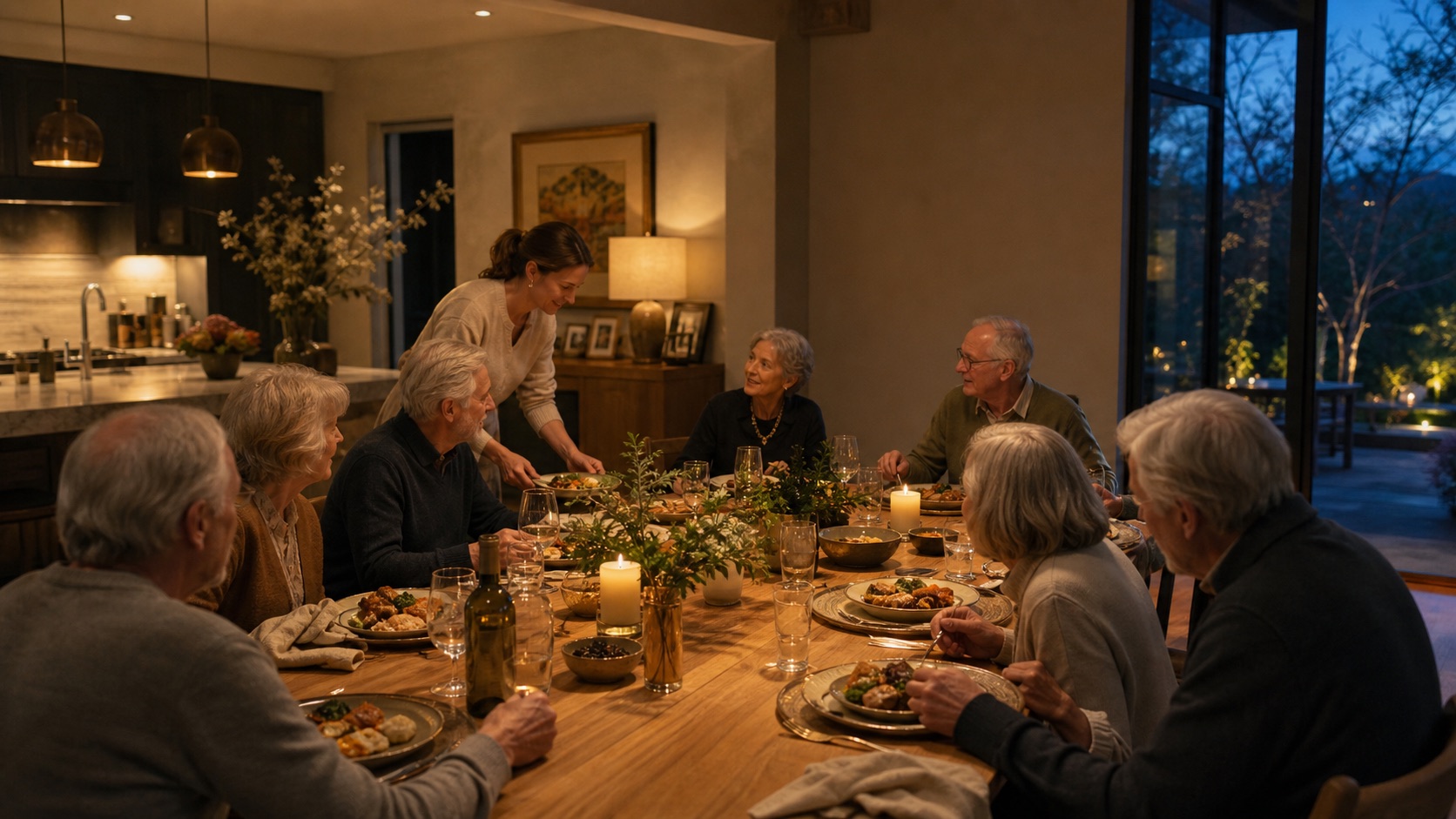
Illustrative design vision
When needs change
The intention is to support continuity and respond thoughtfully as a person’s needs evolve.
Review changes with the resident, family and relevant providers. Revisit the support plan together.
Discuss coordination with physicians, home health or hospice providers when appropriate and permitted. These are individual arrangements, not guaranteed on-site services.
Some needs may exceed what a home can safely or lawfully provide. If that happens, the next step should be discussed openly and planned with care.
Keeping you connected
Our approach gives the family a named point of contact, a shared understanding of the care plan and a way to raise questions.
Routine updates, changes in needs and urgent concerns require different kinds of communication. The home’s specific arrangements will be explained before move-in.
The family’s part in the journeyAn honest fit
We begin with a conversation, learn about needs and preferences, and assess them against the residence’s actual services, staffing and readiness.
That requires an individual assessment. Tell us about the type of support needed and your timing; detailed clinical information belongs in an appropriate follow-up conversation.
That is the aim where the home can continue to provide safe, appropriate care within its licensed scope. It is not a promise that every level of need can be accommodated.
No. Shea Residence II is pre-opening and not yet licensed. 7th Street is under construction. There is no immediate move-in availability.
Your next chapter
A useful first conversation begins with the person, your questions and your timing.
Ask about care fit